There’s something honest about stepping out into a messy garden at the start of spring.
Pots are scattered, weeds have crept in, and everything feels a bit… neglected. The grass has grown unevenly, last year’s plants are long gone, and the whole space just feels like it’s been forgotten over winter.
But that’s the beauty of it.
Because with a bit of time, some simple effort, and a willingness to just start, you can turn it back into a space full of life—not just for growing food, but for making memories with your family.
And honestly, the biggest thing I’ve learned—and the best tip I can give anyone wondering how to reset a garden for spring—is this:
Just start.
It doesn’t need to be perfect. You don’t need a full plan. You don’t need expensive tools or loads of time. You just need to begin.
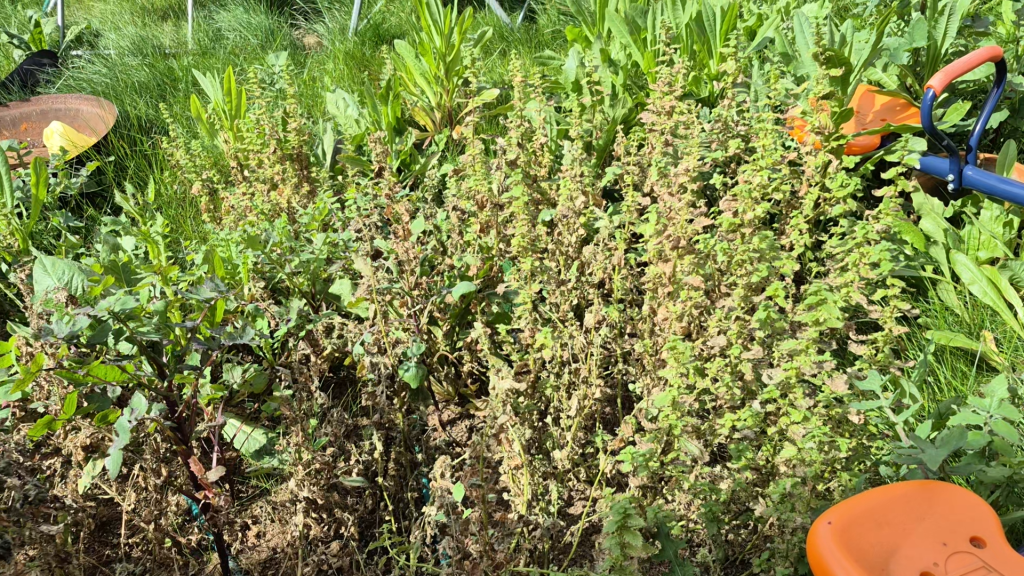
Starting with a Garden Reset
Like most things, the hardest part is getting going.
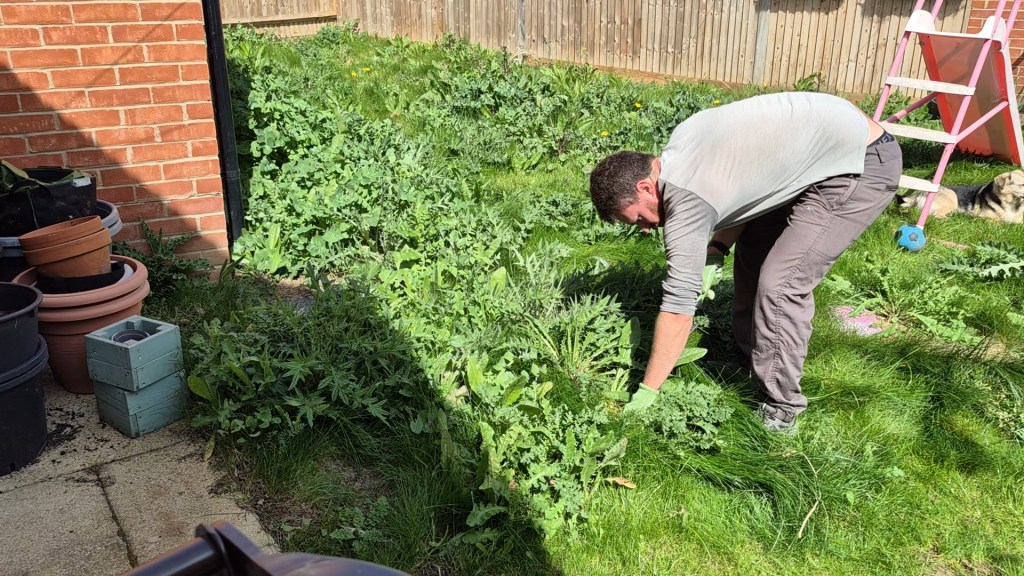
Once I stepped outside and started clearing the space, everything else followed naturally. I began by tidying up pots, pulling weeds, and removing anything that had built up over winter.
It wasn’t about making the garden perfect—it was about making it manageable again.
One important thing I kept in mind was stopping weeds from spreading further. By clearing them before mowing, I avoided scattering seeds across the rest of the garden, which would only make things harder later on.
Sometimes we overthink gardening. We think we need a plan, a layout, or some kind of system before we even begin. But in reality, progress comes from action.
Even a small amount of effort can completely change how the space feels.
Key Jobs:
- Remove weeds
- Clear dead plants
- Organise pots and containers
- Sweep or tidy pathways
Take your time with this stage. There’s no rush. Even doing it in short bursts over a couple of days is better than putting it off entirely.
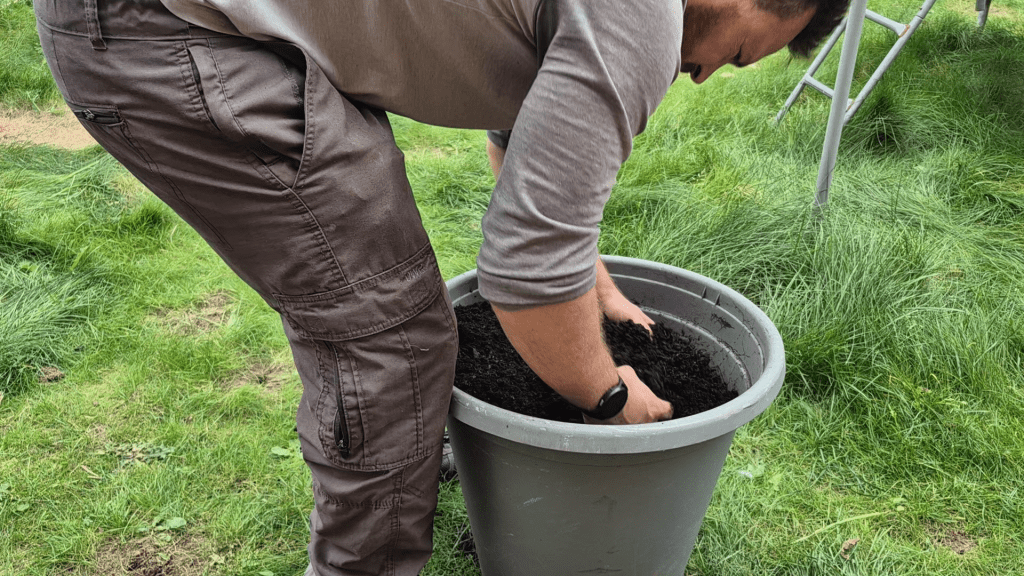
Rejuvenating Old Potting Soil
One of the easiest ways to save money and reduce waste in the garden is by reusing old potting soil.
It’s tempting to throw it away and start fresh every year, but most of the time, that old compost just needs a bit of life putting back into it.
Over time, soil loses nutrients, becomes compacted, and fills up with old roots and debris. But with a little effort, it can be brought back to a usable state.
What I Do:
- Break up the old soil by hand or with a trowel
- Remove any large roots, stones, or dead plant material
- Mix in fresh compost or organic matter
For me, a simple mix works best—roughly 70% old soil to 30% fresh compost. This gives the soil a boost of nutrients while still making use of what’s already there.
If you have access to well-rotted manure or homemade compost, even better. But shop-bought compost works perfectly fine too.
The goal isn’t perfection—it’s improvement.
And this small step makes a big difference when it comes to how well your plants grow later on.
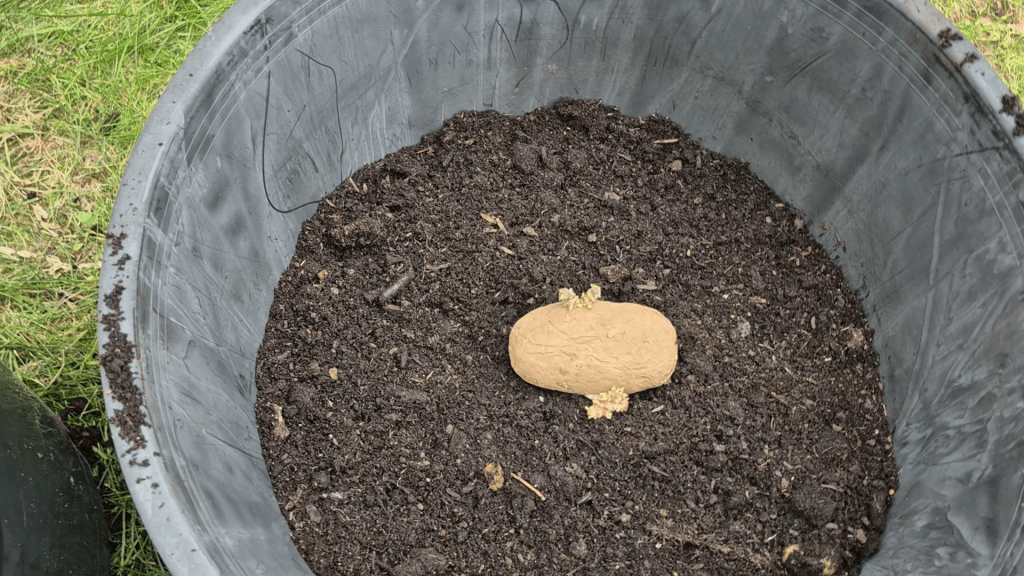
Planting Potatoes (Simple Container Method)
If you’re new to gardening, potatoes are one of the best places to start.
They’re hardy, forgiving, and incredibly satisfying to grow. There’s something about pulling potatoes out of the soil that never gets old—especially for kids. I chose to plant mine in containers, which is ideal if you don’t have a large garden or if you want to keep things simple.
Basic Method:
- Add a base layer of soil (around 10–15 cm)
- Place your seed potatoes spaced apart
- Cover with soil and water well
As the plants grow, you can keep adding soil (a process called “earthing up”) to encourage more potatoes to form.
A Few Practical Tips:
- Use containers at least 30–40 cm deep
- Space potatoes evenly (don’t overcrowd)
- Start planting in early to mid-spring in the UK
- Keep them watered, especially in dry spells
You don’t need anything fancy—buckets, grow bags, or even old containers will do the job.
It’s a simple process, but one that delivers big rewards.
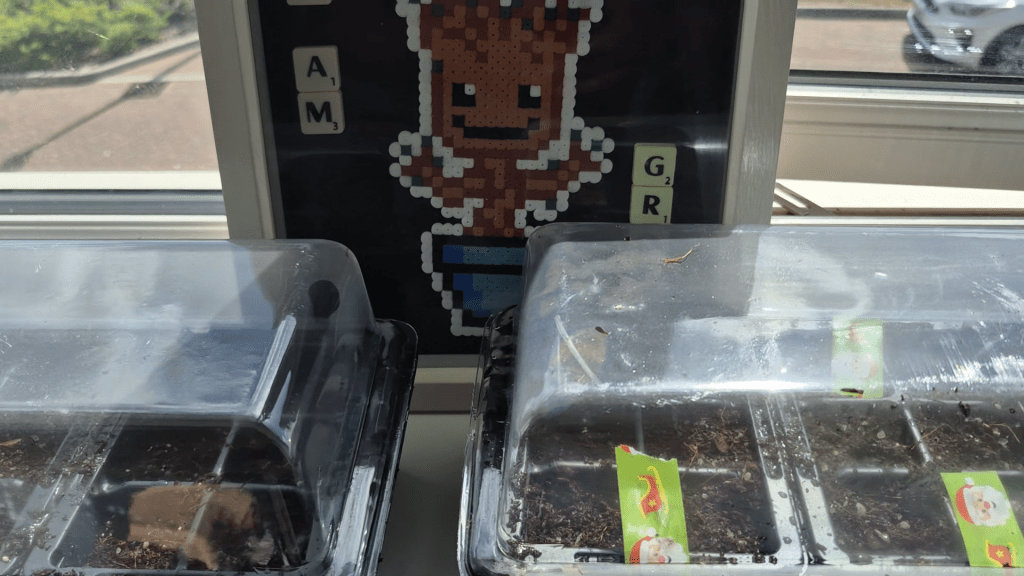
Starting Seeds Indoors
Starting seeds indoors is one of the easiest ways to get ahead in the growing season.
It doesn’t take much space, and it allows you to grow plants that might struggle if sown directly outside in early spring—especially in the UK climate.
For this garden reset, I’ve started:
- Chillies
- Sweet peppers
- Tomatoes
All of these will eventually be used in the kitchen—especially for one of my favourite things to make: sweet chilli jam.
That’s something I’m trying to do more of—link what I grow in the garden to what we actually use and enjoy at home. It gives the whole process more purpose.
Simple Setup:
- Seed trays or small pots (I’m using a cheap propagator)
- A bright windowsill
- Regular, light watering
Seeds don’t need much—just warmth, light, and consistency.
Within a couple of weeks, you’ll start to see the first signs of life pushing through the soil. And that never gets boring.
Gardening With Kids
This is the part that matters most.
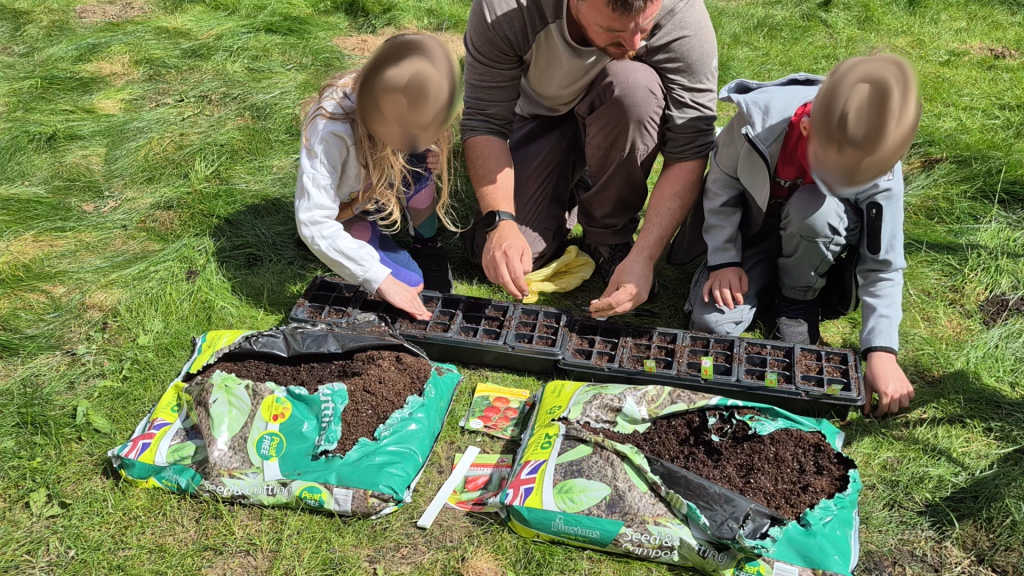
Gardening with my kids isn’t about getting everything right—it’s about spending time together and letting them be part of the process.
They help plant seeds, water plants, and ask a lot of questions along the way. And those moments… that’s what it’s really about. Because one day, they won’t remember how tidy the garden was, or whether everything grew perfectly.
But they will remember being outside, getting their hands dirty, and being included.
Some of the best moments come from the simplest things—like seeing how excited they get over something small.
Joshy, for example, asked me if we could make tomato ketchup this year. And honestly, that’s now the goal. If the tomatoes grow, we’ll give it a go. Moments like that make it all worthwhile.
Of course, it’s not always calm and peaceful. It can be messy, a bit chaotic, and sometimes even stressful.
But I wouldn’t change it for anything.
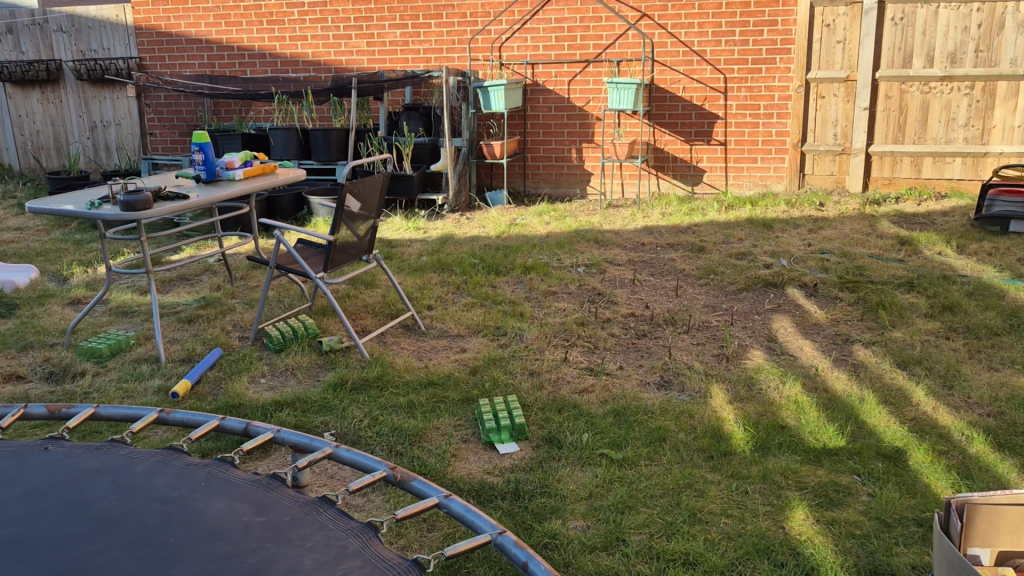
By the end of the day, the garden didn’t look perfect—but it felt completely different.
It felt usable again.
And that’s the real goal of a garden reset.
It’s not about creating a show garden or something that looks good for five minutes on social media. It’s about creating a space you actually want to spend time in.
For us, that meant more than just gardening.
It meant:
- Clearing out old toys
- Cleaning the garden furniture
- Making space to sit and relax
Because the garden isn’t just a place to grow food—it’s a place to live.
And once everything was cleared and organised, it finally felt like somewhere we could enjoy together as a family.
Final Thoughts: Why You Should Just Start
Gardening can feel overwhelming, especially at the beginning.
There’s always more to learn. More techniques. More advice. More things that could go wrong.
But none of that matters as much as simply starting.
Some plants will fail. Some things won’t grow the way you hoped.
That’s part of it.
But the small wins—the first sprout, the first leaf, the first harvest—those are the moments that stick with you.
And when you involve your family, those moments mean even more.
So if you’ve been thinking about starting a garden, take this as your sign.
Start small.
Start simple.
And just begin.
Watch the Full Garden Reset Video
If you’d like to see the full process, including the ups and downs along the way, you can watch the full vlog below.
 The Handmade Way